


Climate change, increasing populations and nowhere for water to go is making more of us vulnerable. If it rains a lot, almost anywhere can flood. Here’s some flooding advice and prevention ideas so you can be prepared.
Above is flooding from overtopping in Blackpool in January 2014, thanks to Mel Jones Photography.
- Flooding Advice and Prevention from the Flood Hub
- What Causes Flooding?
- Flooding Advice and Prevention tips for your property
- 1. Make a Flood Plan
- 2. Be flood ready
- 3. Keep water out of your garden
- 4. In the event of a flood in your home
- 5. Do not travel
- How to Sign up for Flood Alert Warnings
- More Flooding Advice and Prevention
- While you’re here…
Flooding Advice and Prevention from the Flood Hub
The Flood Hub launched in early November 2018. It’s a one stop shop to help householders, businesses and communities across the North West become more flood resilient.

It’s full of useful information to help you learn about flooding. Including how to plan and prepare for flood events, and see what flood related projects and events are happening in your area.
Some useful numbers and contacts:
- If there’s a risk to life – 999
- ☔ To report flooding – 0300 123 6780 or online at lancashire.gov.uk/flooding
- Report blocked sewers to United Utilities – 0345 672 3723
What Causes Flooding?
Floods can happen anywhere at any time. Rising groundwater levels, burst water pipes, rainwater running off hillsides – as well as flooding from rivers and seas. Even if you live miles from the sea or a river, flooding could still affect you.
Normally, when it rains the run-off water collects in the drains. It goes through the water treatment system and discharges into the Rivers Ribble or Wyre or out to sea – depending on where your area is.
But here on the Fylde Coast the land is quite flat. Most of it is at, or even below, sea level. This means there’s not much gradient in the run-off, to carry rainwater away from houses, buildings and roads.

Coastal Flooding
Coastal flooding from the sea can affect a surprisingly large area of land too. It’s not just the buildings along the edge of the coast which can be flooded. Sea water will drain to the lowest point on land – which can extend quite a way from the coast.

Enjoyed this video? Make sure you subscribe to the Visit Fylde Coast YouTube channel for all the latest vlogs!
Big trouble comes when really heavy rain coincides with high tides. While the tide is in it makes it even more difficult for the rain water to drain away. The consequence is that the fluid all backs up in the drain system. Ultimately it can fill the drain system to the top – and cause flooding. The lowest lying areas succumb to flooding first.
This is why United Utilities has spent hundreds of millions of pounds in recent years, building improved facilities in the area. At Anchorsholme Park the new storage tank holds on to this excess wastewater until the rain has passed. It then goes to the treatment works at Fleetwood as normal.
Around 2.4 million people live in immediate flood risk areas in England.
Overall, one in six homes in England are at risk of flooding.
You are statistically more likely to get flooded than burgled.
The UK spends around £4.4bn on flood defence.
Young people are more likely to be at risk of floods due to a lack of knowledge.
Flooding Advice and Prevention tips for your property
This isn’t intended to be a comprehensive or official list. It’s a basic common sense starter-for-ten.
Do some simple things to get flood-ready should the worst happen – and try to stop it from happening in the first place! If you’ve got any ideas and suggestions please get in touch and we’ll add them.
Many things contribute to surface flooding from rainwater. We can all play a part to make our area more resilient and reduce the effect of heavy rainfall on our communities.
3 simple steps to help protect your property from flooding
1. Check the Environment Agency’s maps to see if you are at risk, find them here.
2. Sign up for free flood warning alerts for your area, sign up here. You can receive warnings by phone, text, email or all three.
When high tides are expected, particularly in combination with strong winds, an area may be put on flood alert. Receiving a warning in advance from Floodline enables you to get organised.
3. Prepare a personal flood plan. You can find out how here.
Residents of the Fylde Coast and visitors need to be aware of the dangers of walking and driving through flood water. Just 30cm of flood water can float a car – don’t take risks on low lying coastal land at high tides in stormy weather. The sea can and does take lives – be careful and stay safe.
1. Make a Flood Plan
Do you know what you would do in the event of a flood?
Make sure that you know what needs doing at the time of a flood to make your home as watertight as you can, to avoid water coming into your home.
Make sure your home insurance documents are in a safe, accessible place which is above flood level. Have a torch, batteries, candles and matches in a dry place above flood level.
Can you make any changes to your home NOW that will help to keep flooding to a minimum?
And in the event of a flood…
- Visit the GOV.UK website to see the current flood warnings, view river and sea levels or check the 5-day flood risk forecast
- Call Floodline on 0345 988 1188 using quick dial code: 202002.
- Follow @EnvAgency and #floodaware on Twitter.
- Tune into weather, news and travel bulletins on local television and radio.
- Monitor local water levels and weather conditions.
- Get ready to act on your flood-plan if you have one.
- Move your car or other vehicles to higher ground, if it is safe to do so.
- Prepare a flood kit of essential items including a torch with spare batteries, mobile phone and charger, warm clothes, home insurance documents, water, food, first aid kit and any prescription medicines or baby care items you may need.
- Check that you know how to turn off your gas, electricity and water mains supplies.
- In rural locations, farmers should consider moving livestock and equipment away from areas likely to flood.
- Avoid walking, cycling or driving through flood water. 30cm of fast-flowing water can move a car and 6 inches can knock an adult off their feet.
- Flood water is dangerous and may be polluted. Wash your hands thoroughly if you’ve been in contact with it.
2. Be flood ready
Get a stock of sandbags. Some properties can obtain these free of charge from the local authority. Check with your local council. Sandbags should last for years when stored properly*.
You can also buy alternative sandbags containing a lighter gel, in preparation for flooding. With many advantages over traditional sandbags they’re found to be more effective too. You can find advice about alternative sandbags on The Flood Hub website.
Know how to use sandbags. When flooding is imminent, try to seal your house. Start with the lowest points.
To seal doors, place empty plastic sacks around the bottom and sides of doors. Use heavy duty tape to hold them in place. (Insulation, duck, gaffer tape etc). Place the sandbags on top of the bin bags and tread them into place to get a good seal.
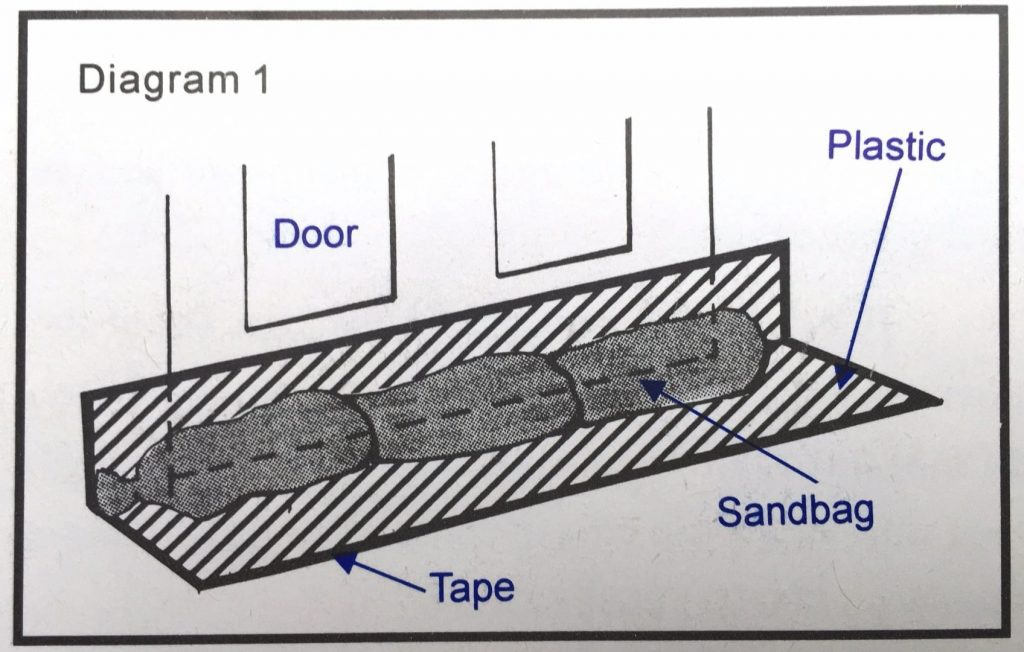
Seal air bricks and vents. Use a similar method to seal these gaps up. Remember to seal other gaps such as low letter boxes and cat flaps.
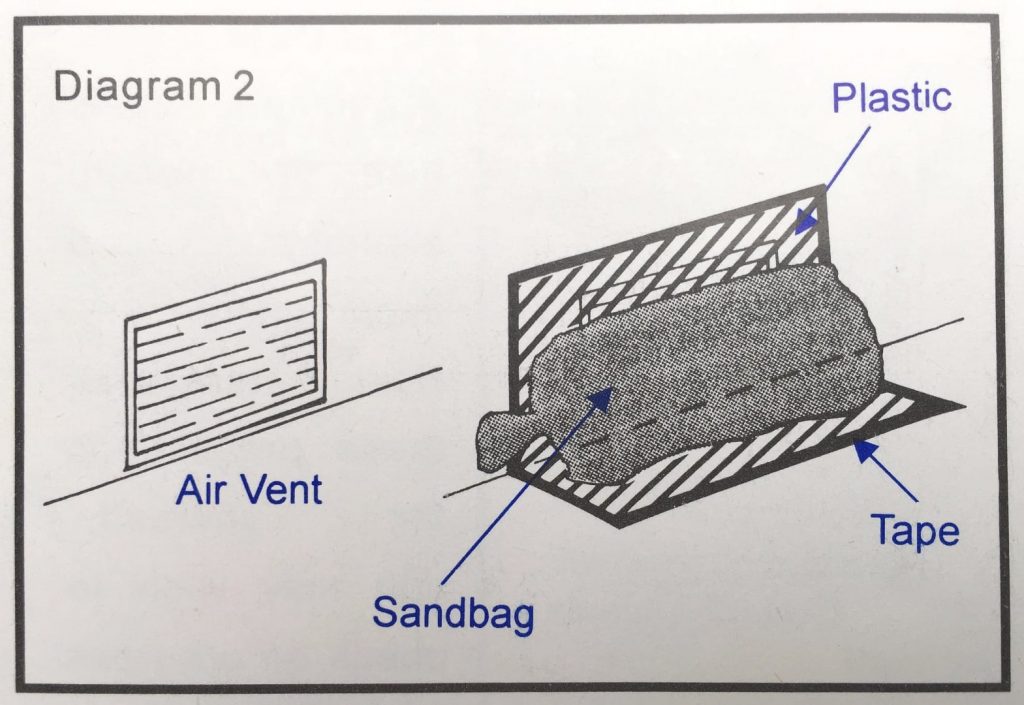
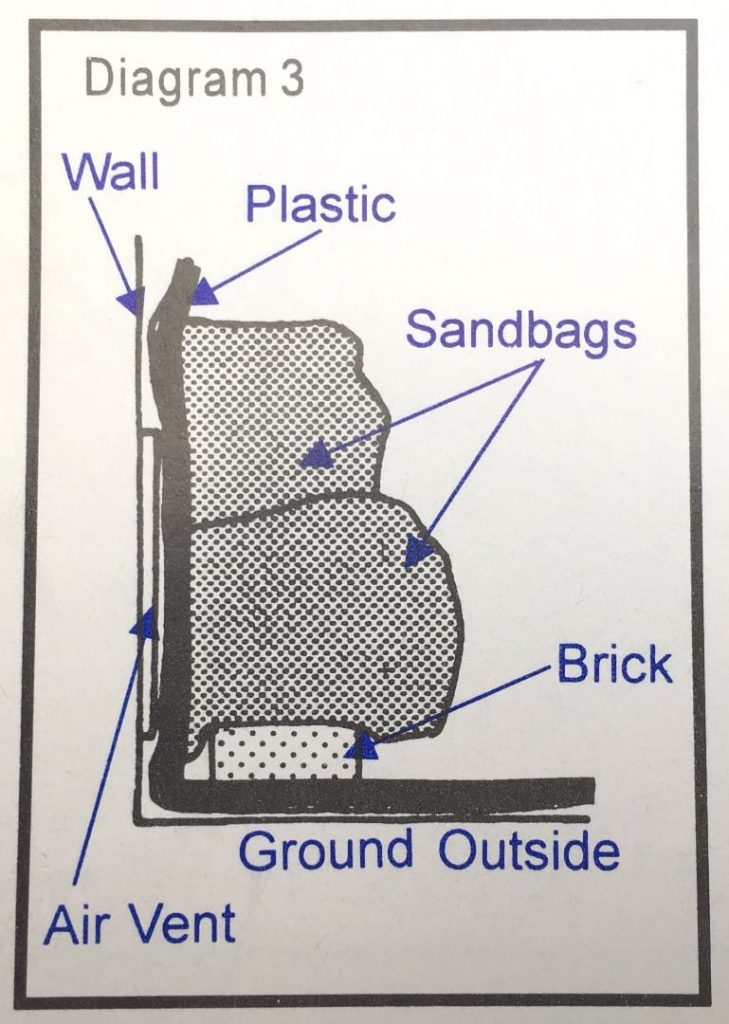
If the vent is low lying but above ground level, pile your sandbags on top of bricks or use timber props to get them to the correct height. But ALWAYS do the lowest ones first.
*How to store your sandbags. Store them off the ground in a dry place. If you haven’t got a shed or garage you can keep them outdoors – as long as they are covered.
3. Keep water out of your garden
Make a floodgate. If you’ve got a solid structure around your garden like a brick wall, you could limit the amount of water which comes into your garden by making a flood gate to fit across your driveway or gate.
It doesn’t have to be a sophisticated masterpiece. A piece of wood fitted against your garden gate, protected by plastic and sandbags will do a good job. A flood gate will also limit how much water sloshes into your garden because of passing cars and vehicles. You could do the same with your garage door.
How absorbent is your patch?
The Fylde Coast is a mostly urban landscape. It’s also very flat and low lying. We also like to live by the sea in our many individual houses which add together to make a densely populated place.
This has the combined effect of making less space for water – so we can each help to increase that space by having absorbent gardens.
Have you got a lot of paving, or gravel under laid with membrane or plastic, or any kind of solid surface on the floor of your patch? Then you’re reducing the amount of water which can soak away from it. You’ll probably find that you get puddles of standing water after normal rainfall, and it might even have been under an inch or two of water during stormy conditions.
Consider changing your garden landscaping to an absorbent design and help to reduce the amount of standing water it collects. If all gardens were porous it would make a big difference.
What’s an absorbent garden design?
The most obvious – and best – absorbent garden design is a traditional garden with grass, trees and plants. It might be boggy during rainfall but it dries up surprisingly quickly afterwards.
Lawns allow rain to drain naturally into the ground. Trees drink a huge amount of water, which is why traditional planting is so effective.
4. In the event of a flood in your home
Move valuable objects to a higher place. If it’s looking likely that water will come into your home, move everything that you can to a higher place in the house/room.
- Start with your most valuable and smallest things first, like photos, sentimental things and important papers.
- Move as much as you can. Clear food out of low kitchen cupboards onto the worktops, clothes out of low wardrobes onto cupboard tops – etc.
- If water is getting into your home tray to bail out if you can.
DO NOT use the electrics if your home is flooded. Your insurance company can arrange for an electrician to check them afterwards. Contact your insurers as soon as possible as they will be able to provide advice to help you to minimise the damage.
Treat your drains with respect!
Individually and collectively, your drains are one thing that can create mayhem or prevent flooding from happening. Look after them and they’ll look after you!
- DON’T put fats and oils down your drains.
- DON’T flush disposable wipes down the toilet.
- YOUR toilet isn’t a bin – only the 3 P’s should go down it – that’s pee, poo and paper.
- Combined together, fats and wipes and rubbish create ‘fatbergs’ which can significantly reduce the capacity of sewers or sometimes block them altogether.
5. Do not travel
Don’t use your car unless it is absolutely necessary. A small depth of water can cause your engine to stall and your car may become stranded, blocking an entire road.
Driving along flooded roads will also sweep waves of water into gardens and homes.

How to Sign up for Flood Alert Warnings
The number of homes at risk from flooding is only going to increase with a changing climate.
Many people think that flooding will never happen to them – but it could. Recent winters have been the wettest in England for nearly 250 years with around 6,000 properties flooded.

More Flooding Advice and Prevention
- Further advice from Lancashire County Council
- Long term flood risk maps from the Environment Agency
- Sign up for Flood Alerts from the Environment Agency
- Prepare a personal flood plan for your home
While you’re here…
Go to the homepage of the Visit Fylde Coast website for the latest updates.
Love the Fylde Coast? Sign up for your email newsletter. Packed full of interesting things it arrives in your inbox all 52 weeks of the year.
Join us on Facebook at our Visit Fylde Coast Facebook Group Plus hundreds of videos to watch on our YouTube channel – from all over the Fylde Coast!
Booking a stay? Pick a safe, clean and legal place to stay, at the very best price. Book using the Visit Fylde Coast Accommodation guide.


